Condo & Apartment Leaks
Water from the unit above, a shared wall or a riser, dried out of ceilings, floors and walls in Midtown high-rises and mid-rises.
View service (833) 829-0018

Midtown, Atlanta GA
Water coming through the bathroom ceiling from the unit above, a sprinkler head that let go in the hallway, a heart pine floor cupping after a crawl space leak. One call reaches a local restoration company that can get the water out and the place dry.
Have your 5-digit ZIP code ready. A short prompt connects you to a local provider.
Water damage restoration in Midtown Atlanta covers stopping the source, extracting water, drying ceilings, walls, floors and crawl spaces with dehumidifiers and air movers while checking moisture daily, and rebuilding what had to be removed. In Midtown the common causes are unit-to-unit leaks in condos and apartments, sprinkler and pipe breaks, storm leaks through flat roofs, and plumbing and crawl space problems in older homes.
What we cover
Water damage restoration in Midtown Atlanta takes a wet home back to dry and repaired, whether that home is a condo on the twentieth floor or a bungalow near Piedmont Park. In buildings, the water often comes from somewhere else: the unit above, a sprinkler line, a riser or the roof. In older houses, it usually comes from aging plumbing, a crawl space or the weather.
Choose the page that fits. Water from a neighbor's unit is condo and apartment leaks. A sprinkler head or a pipe that split is sprinkler and burst pipe damage. Plaster walls, heart pine and crawl spaces are historic home water damage. Leaks after a storm are storm and roof leaks. Water extraction and drying is the core of every job, and growth after a hidden leak is mold remediation.
House streets have their own character: winding blocks of early-1900s homes in Ansley Park and bungalows and Victorians in the Midtown historic district.
First moves
In a house, close the main or fixture valve. In a building, call the front desk or management so they can shut the source, which may be in another unit.
Keep away from water near outlets and ceiling light fixtures. Do not stand under a sagging ceiling.
Photos and video of the water, the ceiling and where it came from. In a condo, note the time you reported it.
Call (833) 829-0018. Water moves down through floors and walls fast in stacked buildings, and hardwood starts to cup within hours.
Every job starts with a question: how clean was the water? The answer decides what is dried and what is removed.
Category 1 is clean water from a supply line, a water heater or fresh rain. Drywall, plaster and floors can often be dried in place.
Category 2 is gray water: a dishwasher or washer drain, sprinkler water that sat in the pipes for years, or clean water that has been sitting a day or two. Expect more cleaning and some removal.
Category 3 is black water: sewage from a drain stack or toilet, or outside flood water. Porous materials it touched come out, and everything else is disinfected.
Restoration companies that cover Midtown keep crews on call through the night and on weekends. Most callers get an arrival window on the first call and a visit the same day. In buildings, the crew may need to check in at the desk and use a service elevator, so tell them your building's rules.
During a citywide event, like a hard freeze or a major storm, demand jumps. Call as soon as you find water.
In a condo or apartment tower, water moves through floor penetrations, along concrete slabs and down chases and risers. A leak on one floor can show up two floors below. That is why the crew checks above and below, coordinates with management, and keeps detailed records that several owners and insurers may need.
Services
Each page explains one type of job and what to ask before work begins.
Water from the unit above, a shared wall or a riser, dried out of ceilings, floors and walls in Midtown high-rises and mid-rises.
Fire sprinkler heads and supply lines that broke or froze, and the soaked units, hallways and garages around them.
Leaks in early-1900s houses with plaster, heart pine floors, crawl spaces and old basements, dried with care.
Heavy Atlanta thunderstorms finding flat roofs, old flashing and clogged drains, dried out of top-floor ceilings and walls.
Water pulled from carpet, hardwood and tile and the structure dried with dehumidifiers and air movers, measured daily.
Mold after a hidden leak or Atlanta humidity, contained and removed with the moisture source fixed.
Georgia licenses plumbers and residential and general contractors through the State Construction Industry Licensing Board. Look up any company's license with the Georgia Secretary of State license lookup before work starts. Ask whether the crew is IICRC trained and request a certificate of liability insurance. In condo buildings, management often requires the contractor's insurance certificate before they can work.
Midtown grew up along Peachtree Street in the late 1800s and early 1900s as a streetcar suburb, with houses and apartment buildings near Piedmont Park, which hosted the 1895 Cotton States Exposition. Ansley Park followed in the early 1900s with winding streets and large homes. After decades of decline and revival, Midtown became Atlanta's second downtown from the 1980s on, and today high-rise condos, apartments and offices line Peachtree and West Peachtree while the historic blocks remain.
That mix creates two kinds of water damage. In the towers and mid-rises, leaks move between units: a failed toilet supply line on the 18th floor, a sprinkler head knocked during a move, a riser leak inside a wall, a rooftop drain that clogs during a summer storm. In the older houses, the issues are age and weather: galvanized or early copper pipes, crawl spaces and basements that take on water, flat-roofed porches and additions, and plaster walls and heart pine floors that need careful drying.
Water and sewer service come from the Atlanta Department of Watershed Management. The city handles mains and meters. In a house, the service line, private sewer lateral and interior plumbing are the owner's. In a condo, the HOA's documents decide which pipes are common and which belong to each unit.
A careful crew maps moisture in every affected room, checks the unit below or the crawl space, and explains what can be dried in place and what must come out. They leave a written plan and an equipment list, and come back daily to read meters and adjust. You get photos and readings for your adjuster and, in a building, for management.
In a house, you deal with your homeowners policy. In a condo, the association's master policy and your HO-6 policy split the job, and the association's documents decide who owns which pipe and finish. Photograph everything, report to your insurer and management, and ask whether the crew bills insurance directly.
After drying: drywall, plaster repair, flooring, paint and trim. In older homes, ask whether the crew works with plaster specialists and can match heart pine. In towers, ask about building rules for work hours and debris removal.
Calls also come from offices along Peachtree, shops and restaurants in Midtown and apartment communities. The process is the same, planned around tenants and business hours, with written updates for owners and managers.
Photos
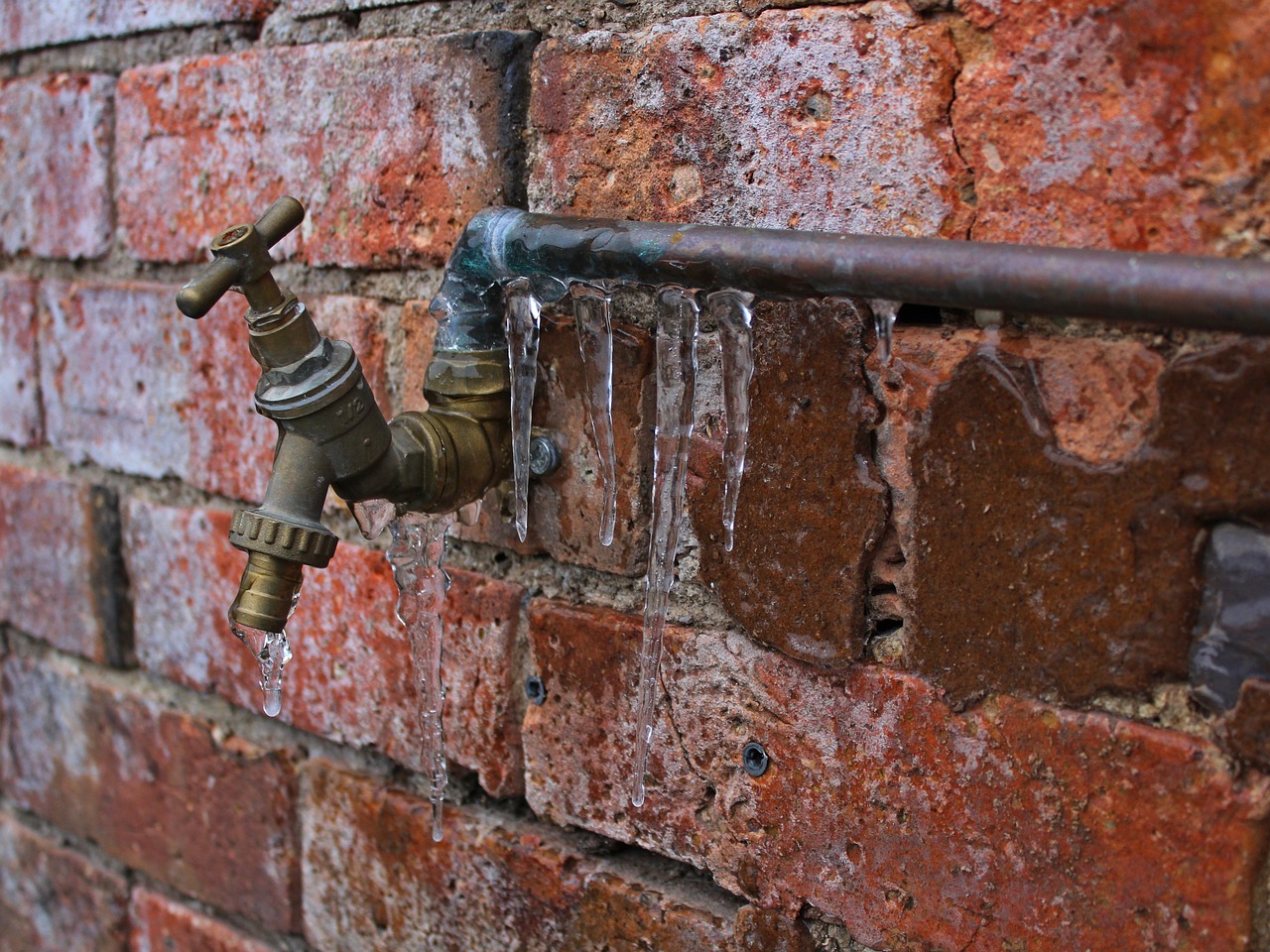
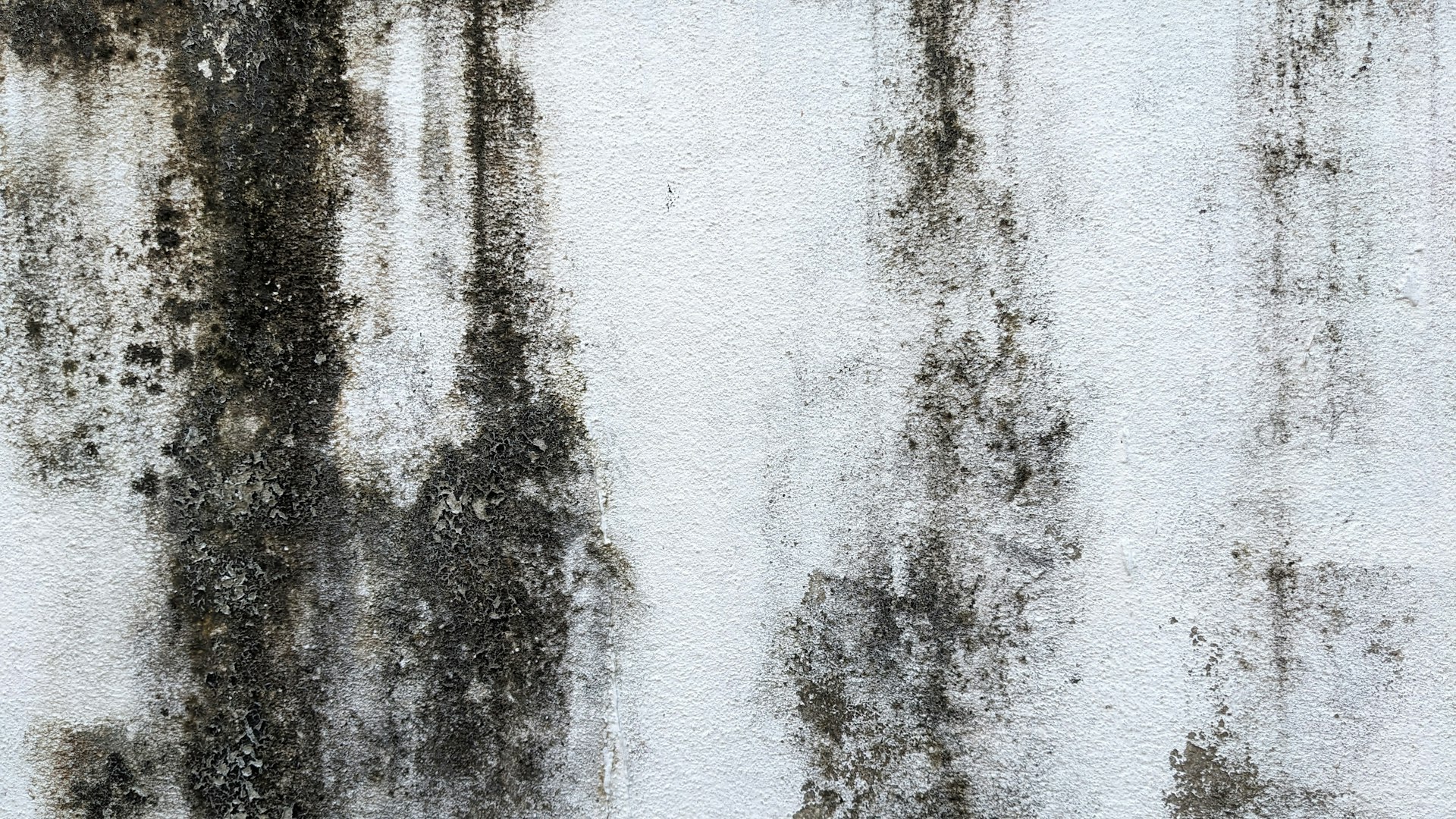
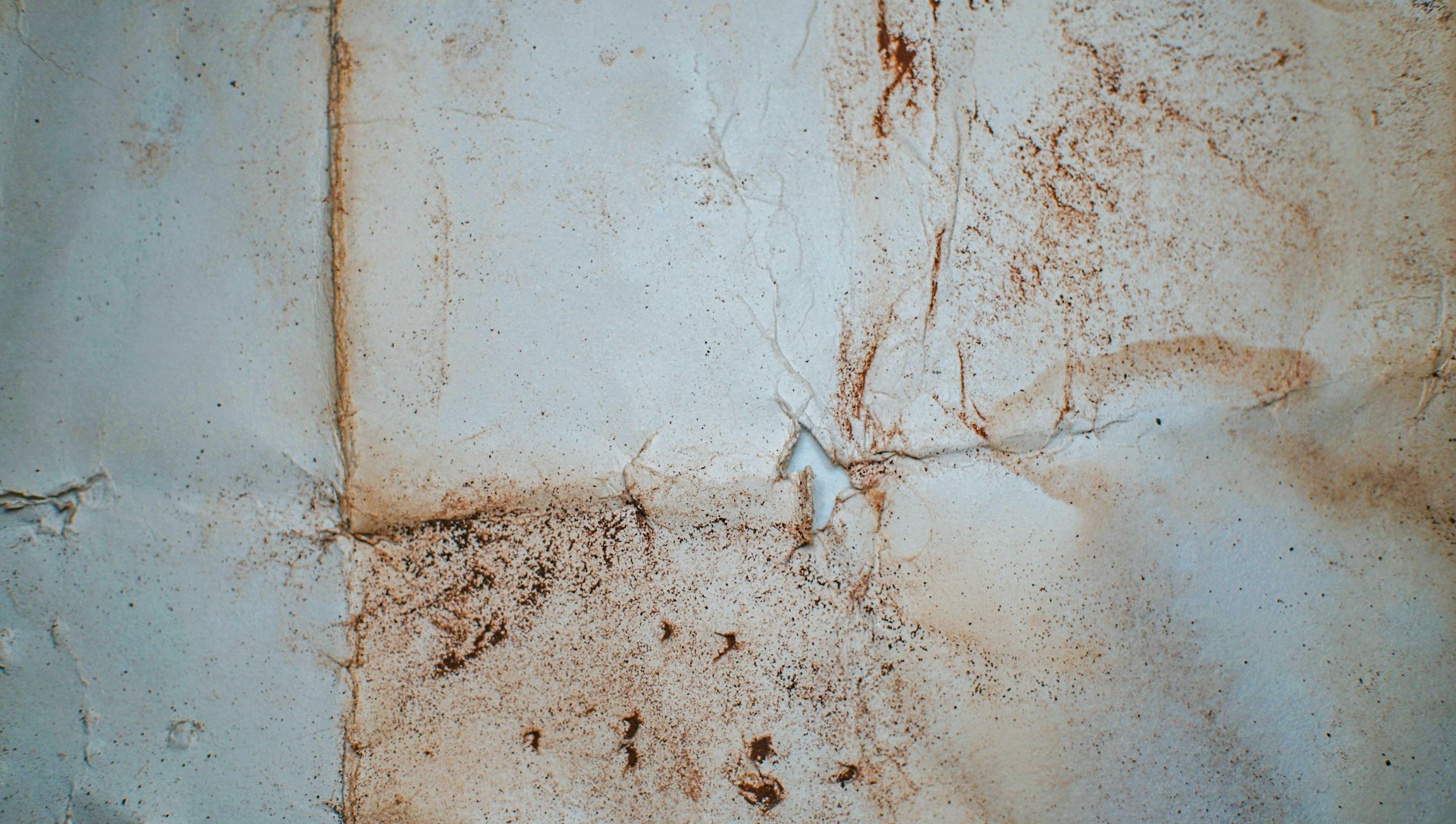
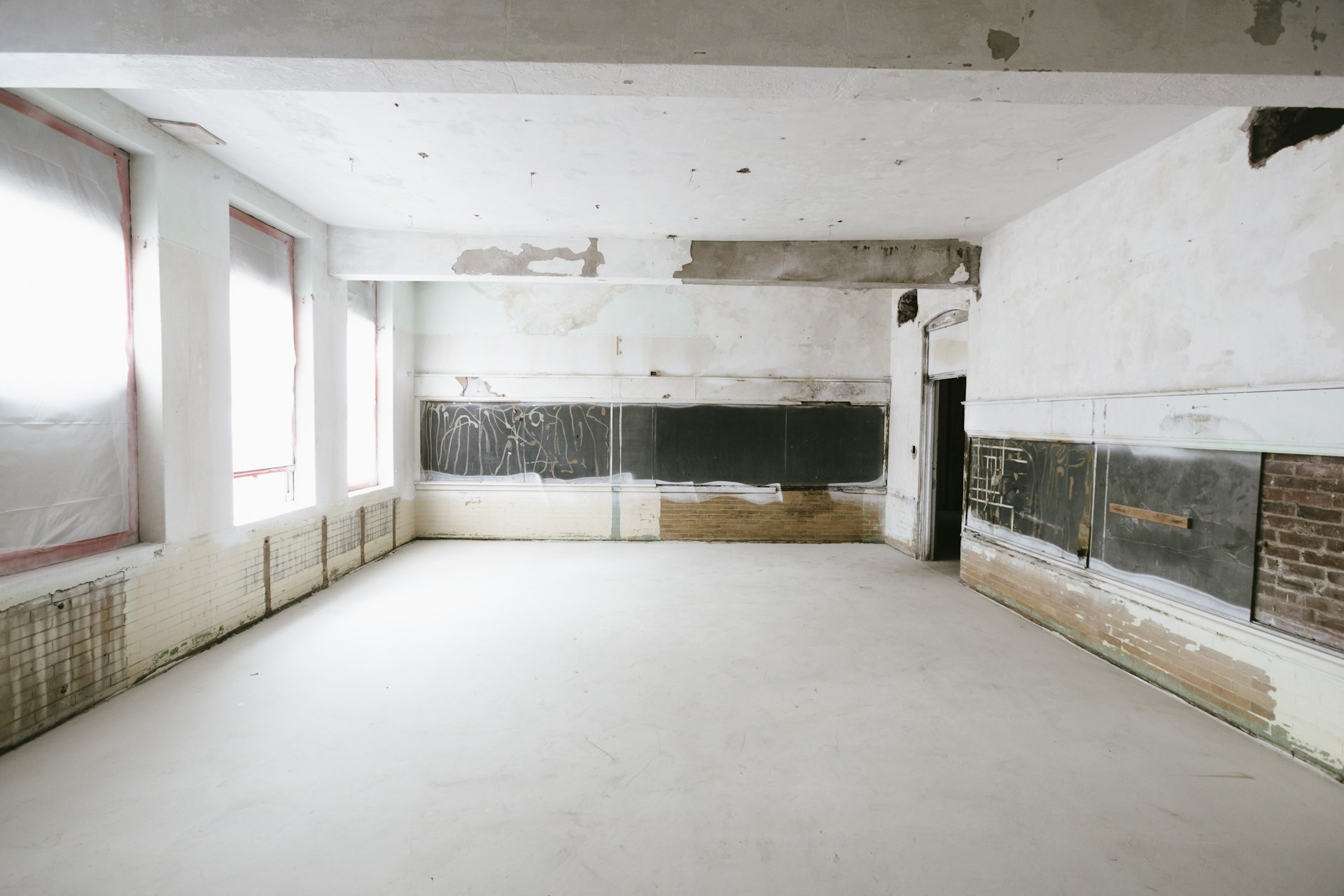
Representative stock images of Atlanta-style water damage jobs.
FAQ
Call building management or the front desk right away so they can reach the upstairs unit and shut off water if needed. Move belongings, photograph the ceiling, and call. Keep away from light fixtures with water in them.
It depends on the cause, your HOA's governing documents and each owner's insurance. Usually the HOA master policy covers the building structure and each owner's HO-6 policy covers their unit's interior and belongings. Report it to both.
Often. Plaster tolerates water better than drywall and can frequently be dried in place if it is not crumbling or detaching from the lath.
Usually three to five days for clean water. High humidity in summer and plaster or heart pine in older homes can make it longer.
Call a local crew
One call reaches a restoration company that works across Midtown, from the towers along Peachtree and West Peachtree to Ansley Park and the streets around Piedmont Park. They explain the plan and pricing first.
(833) 829-0018Have your 5-digit ZIP code ready. A short prompt connects you to a local provider.